Underbrush Clearing in Houston, TX
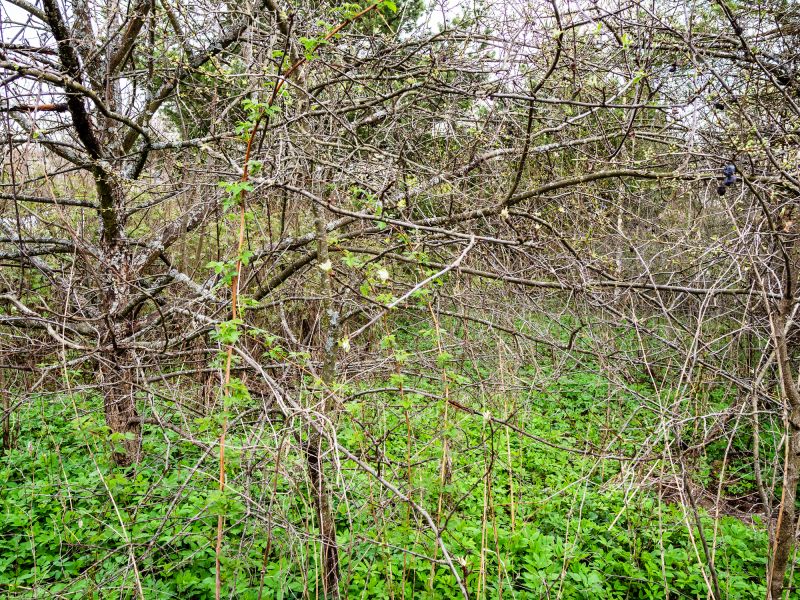
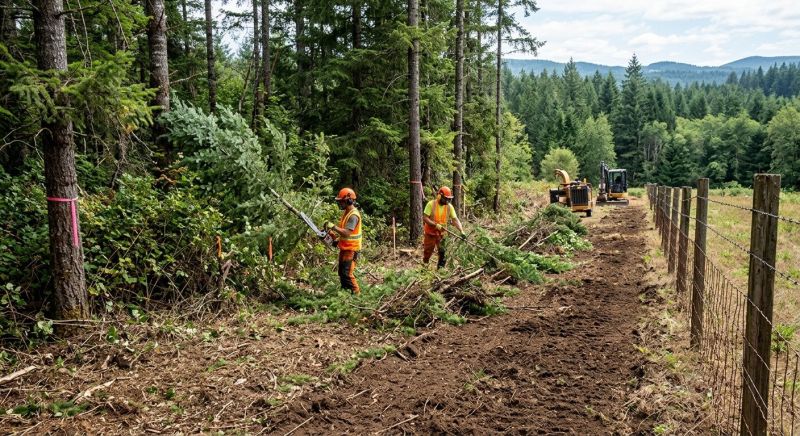
Underbrush clearing services involve removing dense, overgrown vegetation, shrubs, and small trees to improve the safety, appearance, and usability of a property. This type of project is commonly requested for creating open spaces, preparing land for landscaping or construction, or reducing fire hazards in wooded or brush-heavy areas. Homeowners typically want to understand the extent of clearing needed, the types of vegetation that will be removed, and how the work will impact the overall landscape to ensure the project aligns with their property goals.
Property owners considering underbrush clearing should evaluate the size of the area, the density of the growth, and any specific vegetation they wish to retain or remove. It's also helpful to clarify whether the work involves only surface clearing or if additional tasks such as debris removal or stump grinding are desired. Understanding these details can help in planning the scope of the project and ensuring the clearing meets the property's needs effectively.
Many property owners in Houston, TX look into Underbrush Clearing for repairs, replacements, upgrades, and appearance-related improvements.
Maintaining Clear Property Boundaries
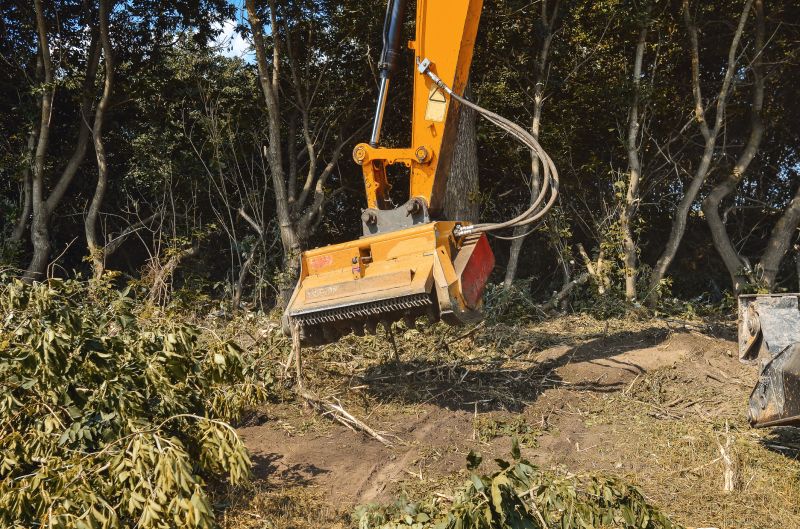
Removing dense underbrush helps define your property lines and improves overall landscape appearance.
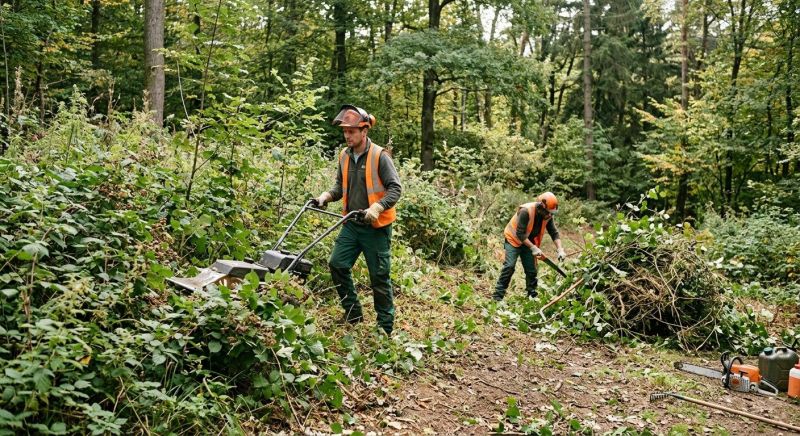
Reducing Fire Hazards
Clearing undergrowth minimizes the risk of fire spreading across your land in houston's dry seasons.
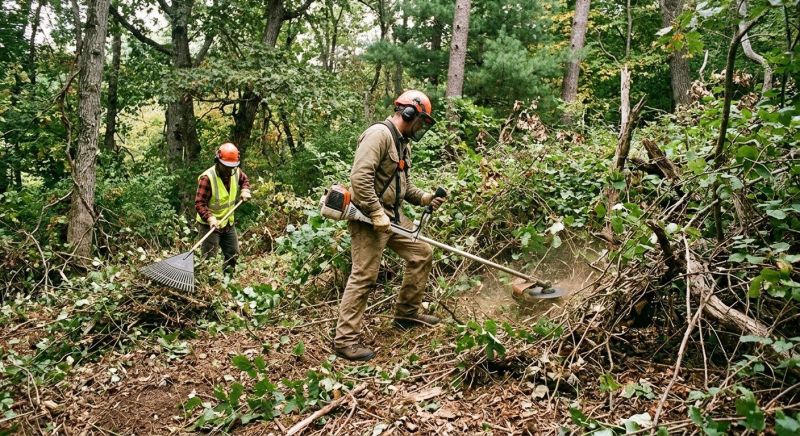
Preparing Land For Landscaping Projects
Underbrush removal creates a clean foundation for new gardens, lawns, or construction work on residential properties.
Underbrush Clearing in Houston, TX

Underbrush clearing services involve removing dense, overgrown vegetation, shrubs, and small trees to improve the safety, appearance, and usability of a property. This type of project is commonly requested for creating open spaces, preparing land for landscaping or construction, or reducing fire hazards in wooded or brush-heavy areas. Homeowners typically want to understand the extent of clearing needed, the types of vegetation that will be removed, and how the work will impact the overall landscape to ensure the project aligns with their property goals.
Property owners considering underbrush clearing should evaluate the size of the area, the density of the growth, and any specific vegetation they wish to retain or remove. It's also helpful to clarify whether the work involves only surface clearing or if additional tasks such as debris removal or stump grinding are desired. Understanding these details can help in planning the scope of the project and ensuring the clearing meets the property's needs effectively.
Many property owners in Houston, TX look into Underbrush Clearing for repairs, replacements, upgrades, and appearance-related improvements.
Common Underbrush Clearing Jobs
Underbrush Clearing - Removes overgrown plants and shrubs to improve yard visibility.
Property Maintenance - Clears dense underbrush to support healthy landscape growth.
Wildfire Prevention - Reduces fire risk by eliminating combustible undergrowth.
Landscape Enhancement - Creates open spaces for planting, recreation, or aesthetic improvements.
Pest Control Support - Reduces habitats for pests by clearing dense vegetation.
Site Preparation - Prepares land for new construction or landscaping projects.
Underbrush Clearing Questions
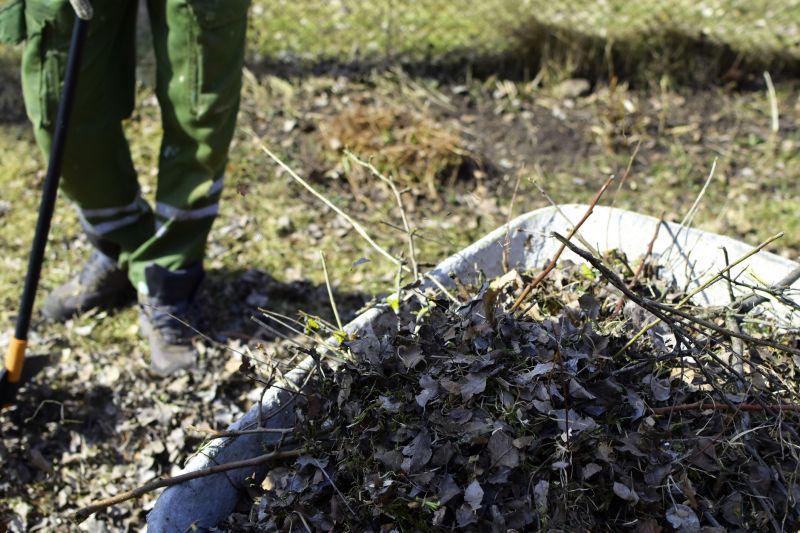
What is underbrush clearing? Underbrush clearing involves removing shrubs, small trees, and dense vegetation to improve property appearance and safety.
What types of properties benefit from underbrush clearing? Residential yards, parks, and vacant lots can all benefit from underbrush removal to enhance usability and aesthetics.
Why remove underbrush? Clearing underbrush reduces fire risk, controls pests, and allows for better landscaping or development planning.
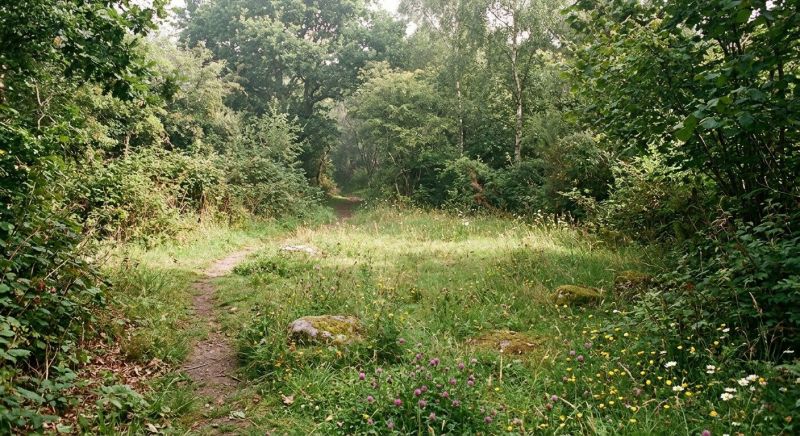
Is underbrush clearing suitable for overgrown areas? Yes, it is effective for managing heavily overgrown sections and restoring clear, accessible spaces.
Request Underbrush Clearing in Houston, TX
Use the quote form on this page to share the basics of your project and request more information for the type of work you need.